Restaurants & hospitality
A dining room resetbefore your doors open.
After-hours cleaning for Southwest Florida restaurants: floors, drains, restrooms and the nonfood surfaces cleaned after closing, so the room is service-ready before the first guest walks in.
Written for the GM
A guest reads the room before the food.
A guest walks past a floor still greasy from last night, or into a restroom that ran out of paper, and the read of the whole place is set before they sit down. The grease and the floor drains never stop, and the room has to be right before service.
A GM does not need another cleaner to chase down. You need one that leaves the room service-ready every morning: floors and drains stay ahead of the grease, restrooms are stocked and logged, and the nonfood surfaces are cleaned after closing so the opening crew starts on a clean line.
What a guest reads first
Three zones a guest always notices.
Restrooms
The fastest thing a guest judges the kitchen by.
Stocked, sanitized and logged on a regular schedule, so a guest never forms a bad read of the place before the food arrives.
Front-of-house & entries
The room a guest walks into before service.
Floors, glass, entries and the nonfood surfaces cleaned after closing, so the dining room is reset before your doors open.
Back-of-house floors & drains
Where grease and soil build up every night.
Kitchen floors scrubbed and floor drains kept clear on a documented cycle, so the grease never gets ahead of the crew.
The spaces we hold
The spaces a guest moves through every service.
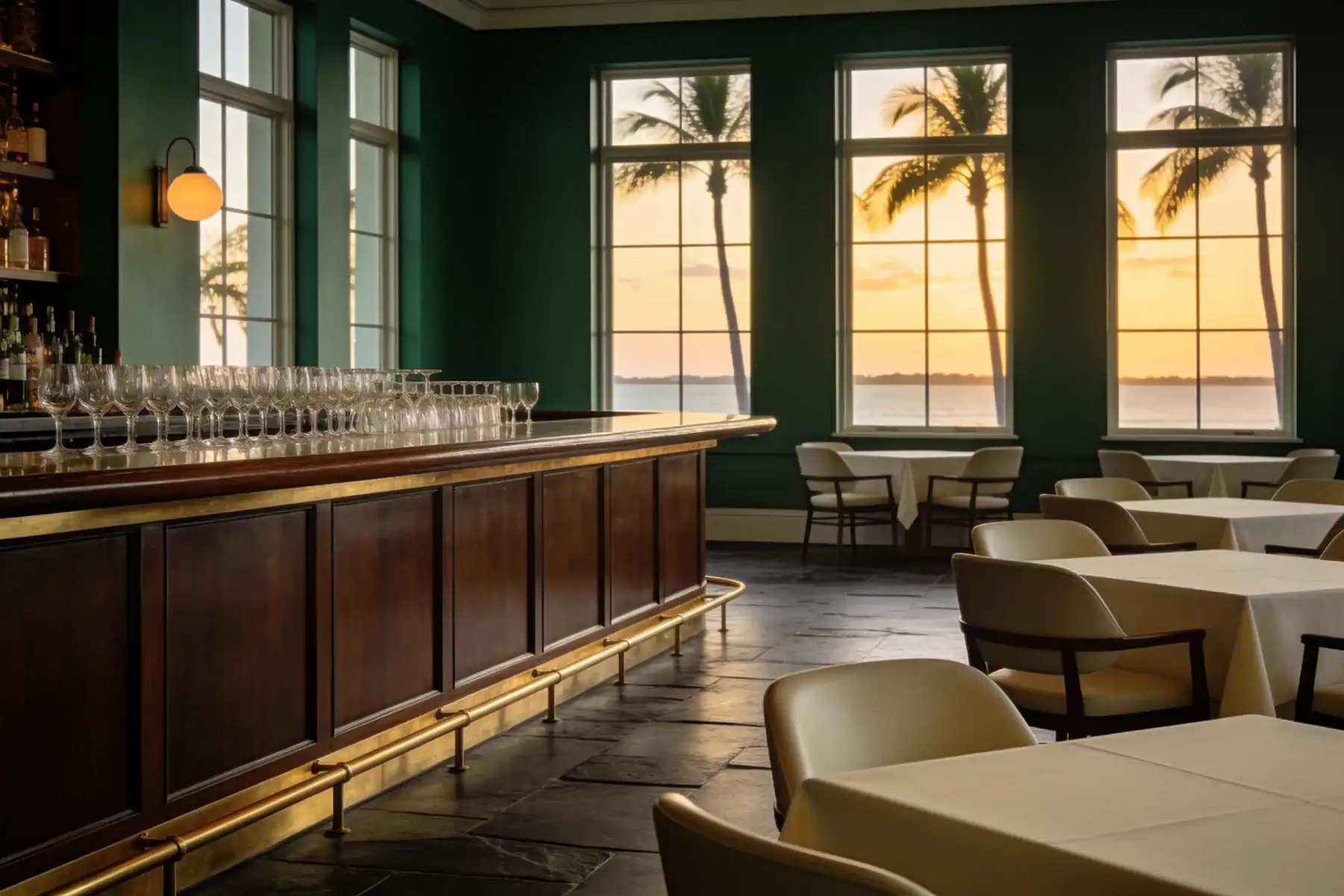
Dining room & entries
Reset and floors cleaned after closing, ready before service.
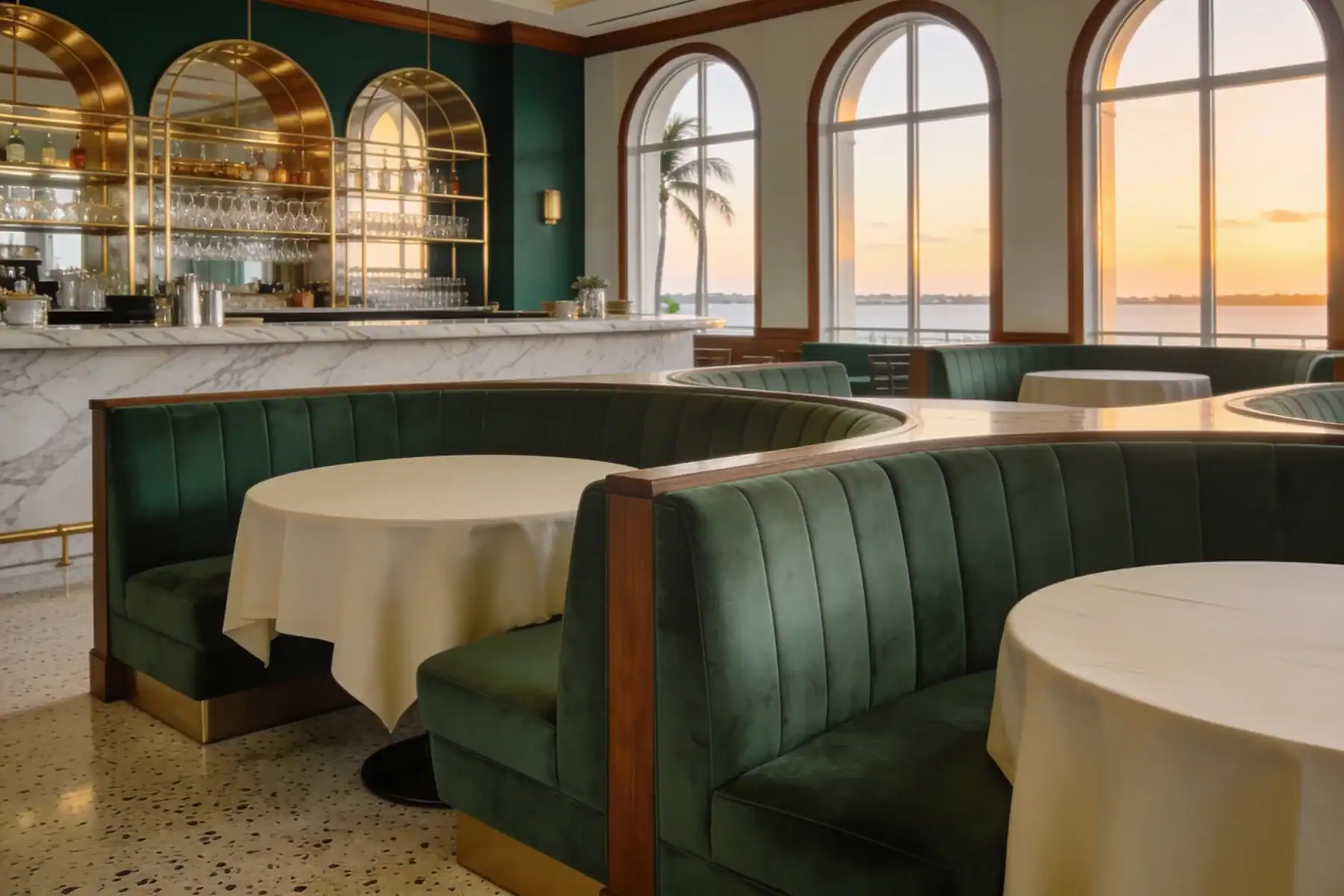
Bar & hard floors
Hard floors and nonfood surfaces kept ahead of the grease.
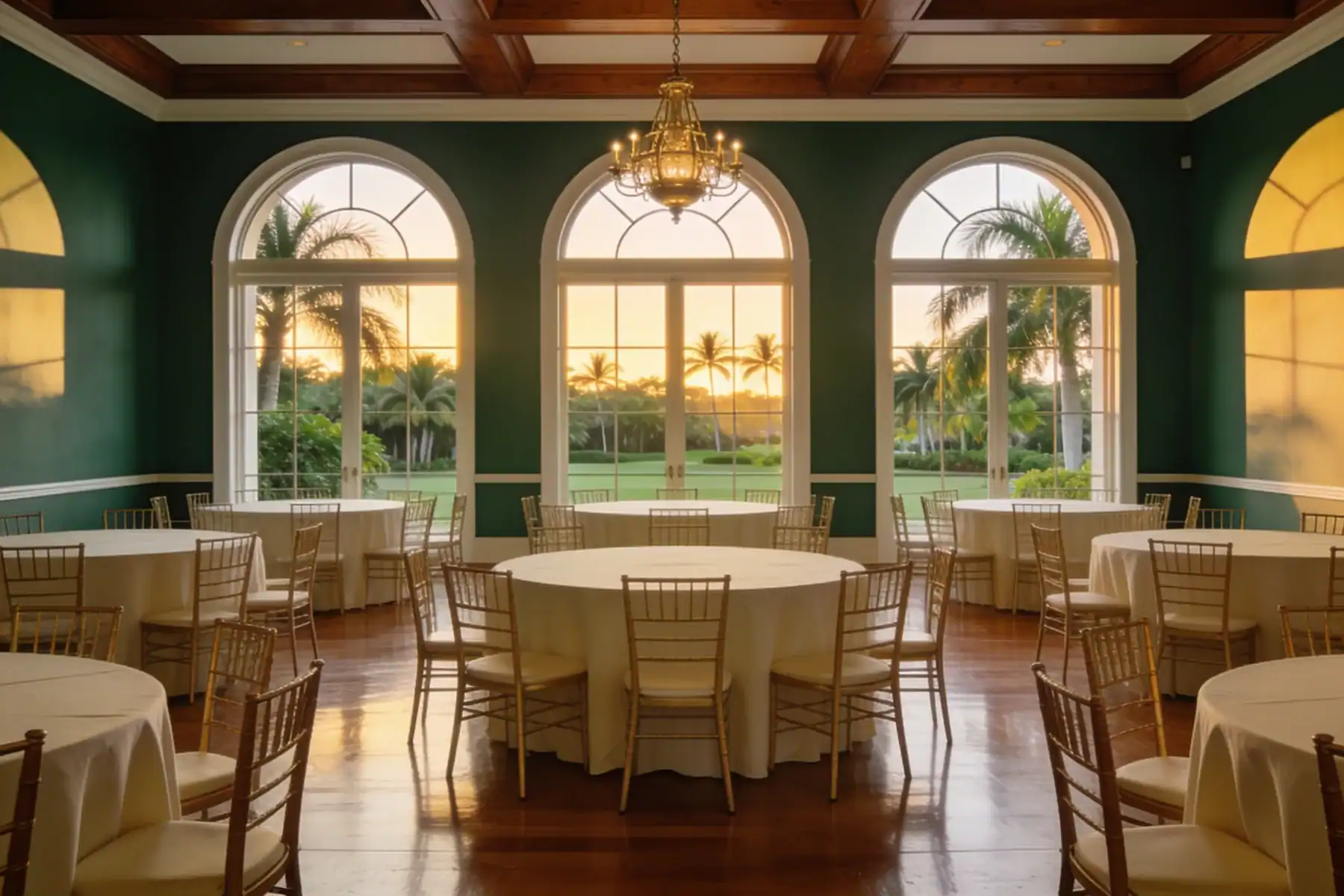
Private & banquet rooms
Turned over and reset between services on a documented cycle.
The difference
A cleaning log for the parts a cleaner owns.
Every closing clean is checked against a written scope and filed with a dated photo log: floors, drains, restrooms and the nonfood surfaces a health inspector counts under the physical-facilities rule. Temperature, food handling and handwashing stay with your staff. The cleaning is documented, so an entire class of avoidable demerits is off the table.
The same crew works your restaurant, so they learn which floor drain backs up and which section of tile holds grease. That is how the closing clean stays consistent from one night to the next. See the standard.
Also available
Pulled in when service needs it.
Day porter
A daytime presence for restrooms, entries, spills and floors during service, so front-of-house stays presentable through a busy lunch or dinner rush.
Opening clean before service
A morning pass on floors, restrooms and nonfood surfaces before the doors open, so the opening crew walks into a room that is already reset.
Common questions
Restaurant cleaning, answered.
Straight answers on scope, timing, and what a cleaner does and does not own for an inspection. Anything not here, ask at the walkthrough.
Request a Walkthrough →What is included in restaurant cleaning?
Restaurant cleaning covers the physical facilities a dining room and kitchen need after closing: floors mopped and scrubbed, floor drains kept clear, restrooms stocked and sanitized, trash removed, and nonfood surfaces wiped down. Sabal sets the exact task list at a walkthrough and writes it into your contract.
How often should a restaurant be cleaned?
Most restaurants get a closing clean every night they operate, because grease and soil build up on floors and drains with every service. Restrooms and hard floors take the most frequent attention, while deep floor work runs on a planned cycle. The right frequency gets set at the walkthrough.
Do you clean during or after service?
Sabal cleans after closing, when the least amount of food is exposed, which is what the FDA Food Code expects for the physical facilities. A day porter can cover restrooms, entries and spills during service, but the floors, drains and deep closing work happen once the last guest has left.
What does a cleaner cover for a health inspection?
A cleaner covers the physical facilities an inspection looks at: floors, floor drains, restrooms, and nonfood surfaces, cleaned after closing per FDA Food Code 6-501.12. Temperature, food handling and handwashing stay with your staff, not the cleaner. Sabal keeps the surfaces it owns clean and logged, so those demerits are avoidable.
How much does restaurant cleaning cost?
Restaurant cleaning is priced per square foot or per visit, not as one flat number. General commercial cleaning runs about $0.09 to $0.20 per square foot industry-wide (ISSA), and Southwest Florida spaces often land near $0.08 to $0.18. Sabal quotes a flat monthly rate after walking your restaurant.
Are you licensed, bonded, and insured?
Yes, Sabal is licensed, bonded, and insured, and sends its certificate of insurance before the first visit.
What areas do you serve?
Sabal serves restaurants and commercial properties across Southwest Florida, including Fort Myers, Cape Coral, Naples, Bonita Springs, Estero, Marco Island, Punta Gorda, and Port Charlotte, throughout Lee, Collier, and Charlotte counties.
The next step
Let’s walk your restaurant.
A real bid means walking the front-of-house and kitchen and counting the actual work, not quoting a number over the phone. Book a walkthrough and we will scope the closing clean with you in person.
Serving Fort Myers, Bonita Springs, Naples, Cape Coral, Estero, Punta Gorda, Port Charlotte, Marco Island, Sanibel & Captiva